One base that can work on your clock.
GMT+3 opens with the Gulf, overlaps Europe and the UK, and reaches North America by evening. Rotations cover the rest.
Amman standard time — no seasonal clock change
Standing rotations covering the full 24-hour clock
Market windows staffed from a single operating base
Language markets served by the same talent pool
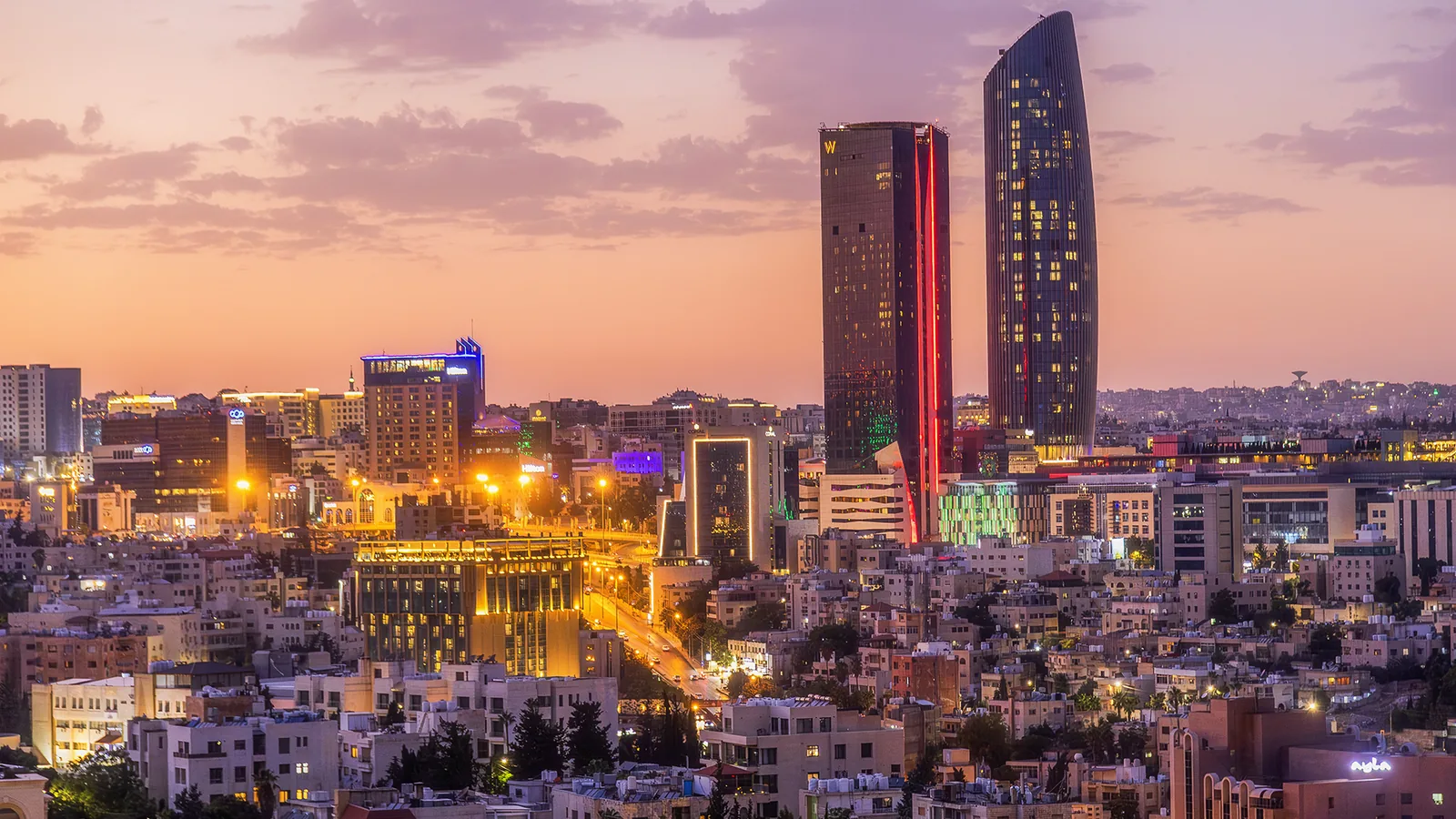
One base. Any time zone.
Three standing rotations cover the full clock. We staff to match your hours, not the other way around.
Any time zone, covered by rotation
Amman local · GMT+3Shifts overlap at handover so nothing drops.
Your business day, in Amman hours
09:00–18:00 local · mapped to GMT+3Every window is staffable from one base, same standard.
Assumptions: standard UTC offsets, no daylight-saving adjustment. Illustrative — actual schedules are configured case by case.
Overlap by design
Consecutive shifts overlap so open work passes between named people, not a queue.
Written shift log
Each rotation closes with a log: escalations, blockers, client-input items.
Coverage that can move
If peak hours shift, the rotation shifts with them — no re-hire needed.
A shift change is a process, not a drop.
Every rotation closes with a live log and passes to a named person — full context, every function.
Sales
Update CRM stages, log call outcomes, and note why a deal moved or stalled.
Mark hot leads, pending proposals, and follow-up deadlines so nothing cools overnight.
Outgoing and incoming leads review the list together during a brief overlap.
The next shift starts with a prioritized action list, not a missing context.
Support
Resolve or update status, and write down the customer context and last response.
Capture severity, owner, promised response time, and customer expectations.
Next shift reviews the backlog, priority sequence, and any live incidents.
Pick up the highest severity unresolved items exactly where the last shift left off.
Back-office
Record completed items, exceptions, and anything pending client or vendor approval.
Note missing documents, holds, and decisions needed before the next shift can continue.
Named processor reviews the handover log and confirms the handoff in person or in writing.
Next shift runs remaining items and catches new requests from the same baseline.
Common pattern: close live work, log what's open, hand to a named person.

Late shifts are normal here, which is what makes full U.S. coverage sustainable, night after night.
What actually makes a delivery market work.
The criteria that determine whether quality holds over time.
Time-zone flexibility
24 / 7Day, evening, night, and split shifts cover any time zone, weekends included.
Bilingual capability
EN + ARBusiness-level English alongside native Arabic in the same talent pool.
Graduate talent supply
HighDeep university output across business, IT, engineering, and support.
Cost-to-performance
EfficientEfficient for an international employer, competitive locally.
Infrastructure reliability
StableFibre connectivity and redundancy planning built for always-on work.
Cultural compatibility
CloseWestern business norms, built through education and prior international work.
Indicative, based on operating experience — not a benchmarked index.
The difference is the operating model, not the location.
| Capability | Veilancy · Amman | Typical offshore vendor | Domestic hire |
|---|---|---|---|
| Dedicated to one client | — | ||
| Client-specific training | — | ||
| Documented account playbook | — | — | |
| Named account leadership | — | — | |
| English + Arabic coverage | — | ||
| Cost-efficient at scale | — | ||
| Scales without re-hiring | — |
Reflects typical structure, not any specific provider.
The reasons this holds up past the first quarter.
Retention is designed, not hoped for
When remote work is genuinely attractive locally, people stay — and documented operations compound instead of resetting.
An established commercial bridge
Jordan holds a long-standing US free trade agreement, plus strong ties to the UK, GCC, and wider Arabic-speaking markets.
One base, two language markets
Most delivery locations serve one language market. Amman serves two, under one standard.